About the webinar
Suicide prevention is a critical concern for anyone supporting individuals at risk. In this live webinar, participants will explore therapies that have been proven to help those struggling with suicidal thoughts. The session highlights the major approaches, their effectiveness, and how they can be applied in real-world settings.
You’ll learn practical strategies to support individuals safely and effectively, understand what makes certain approaches more successful, and gain insights into how to adapt methods to different situations. The webinar also addresses common challenges and provides guidance to boost confidence when helping those at risk.
Whether you are a professional, caregiver, or simply someone who wants to understand how to help, this session offers valuable tools and knowledge that can make a real difference.
Gain clarity, confidence, and practical strategies to support lives at risk.
Learning Objectives:
- Understand Suicide-Specific Therapies
- Apply Evidence-Based Strategies
- Identify What Works Best
- Adapt Therapies to Different Situations
- Build Confidence in Intervention
Agenda:
Lecture & Brief Discussion (60 min) – Learn suicide-specific therapies, their effectiveness, and practical strategies to support individuals safely and confidently.
CBT, Suicide, Trauma, Psychologist
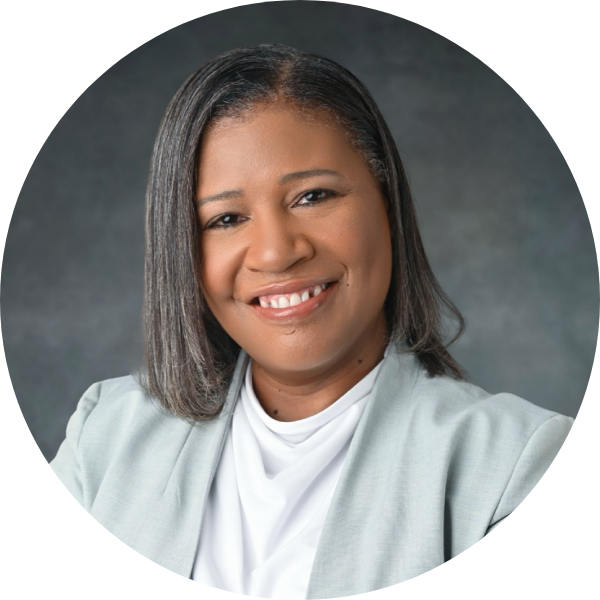
Dr. Josephine Ridley, Ph.D., clinical psychologist, and owner of Ridley Behavioral Health, LLC, is an international speaker and expert in suicide prevention and diversity. Dr. Ridley consults for state and national organizations, teaches at Case Western Reserve University, and leads trainings on men...
CBT, Suicide, Trauma, Psychologist
Dr. Josephine Ridley, Ph.D., clinical psychologist, and owner of Ridley Behavioral Health, LLC, is an international speaker and expert in suicide prevention and diversity. Dr. Ridley consults for state and national organizations, teaches at Case Western Reserve University, and leads trainings on men...
Learning Objectives
Learn the main therapeutic approaches proven to help individuals at risk.
Gain practical methods to support clients safely and effectively in real-world settings.
Recognize which techniques are most effective and why they succeed.
Learn how to tailor interventions to diverse clients and contexts.
Develop skills and knowledge to respond to suicidal thoughts with clarity and assurance.